


Summary
CVE-2024-14037 is a critical unauthenticated arbitrary file upload vulnerability (CWE-434) in Red Sea Cloud eHR, a Java servlet-based HR management platform developed by Guangzhou Red Sea Cloud Computing Co., Ltd. An unauthenticated remote attacker can upload a malicious JSP webshell through an exposed servlet endpoint and execute it directly on the server, achieving full Remote Code Execution (RCE). The vulnerability carries a CVSS v4.0 score of 9.3 (Critical) and active in-the-wild exploitation has been confirmed since November 2024.
Technical details
- Root cause: The
/RedseaPlatform/PtFjk.mob?method=uploadservlet endpoint accepts multipart POST file uploads with no authentication check and performs no validation of file extension or MIME type, allowing any file type to be stored on the server. - Trigger conditions: No authentication, credentials, or user interaction is required. The endpoint is reachable over the internet on any exposed eHR deployment.
- Attack vector: An attacker submits a crafted multipart POST request to the vulnerable endpoint, disguising a JSP webshell as an image by spoofing the
Content-Type: image/jpegheader. The server stores the uploaded file at a predictable path under theuploadfiledirectory. - Impact: The uploaded webshell is executed directly by the Java web server, granting the attacker full unauthenticated Remote Code Execution (RCE) on the underlying host. Confidentiality, integrity, and availability of the server are all fully compromised. Exploitation evidence was first observed by the Shadowserver Foundation on 2024-11-03 (UTC), and multiple public proof-of-concept repositories document the exact technique.
Affected software
- Guangzhou Red Sea Cloud Computing Co., Ltd. — Red Sea Cloud eHR: All versions
Severity
| Standard | Score | Rating | Vector |
|—|—|—|—|
| CVSS v4.0 | 9.3 | Critical | AV:N/AC:L/AT:N/PR:N/UI:N/VC:H/VI:H/VA:H/SC:N/SI:N/SA:N |
| CVSS v3.1 | 9.8 | Critical | AV:N/AC:L/PR:N/UI:N/S:U/C:H/I:H/A:H |
Mitigation and recommended actions
- Vendor patch: No official patch or fixed version has been publicly released by Guangzhou Red Sea Cloud Computing Co., Ltd. at this time. Organizations should contact the vendor directly for remediation guidance.
- Immediate workarounds:
- Block the vulnerable endpoint at the network or WAF layer: Restrict or deny external access to
/RedseaPlatform/PtFjk.moband theuploadfiledirectory via firewall rules or a web application firewall. - Restrict network exposure: If Red Sea Cloud eHR does not require public internet access, immediately place the application behind a VPN or restrict access to trusted IP ranges only.
- Monitor for exploitation indicators: Review web server logs for POST requests targeting
/RedseaPlatform/PtFjk.mob?method=uploadand inspect theuploadfiledirectory for any unexpected.jspor script files.
- Block the vulnerable endpoint at the network or WAF layer: Restrict or deny external access to
IONIX Status
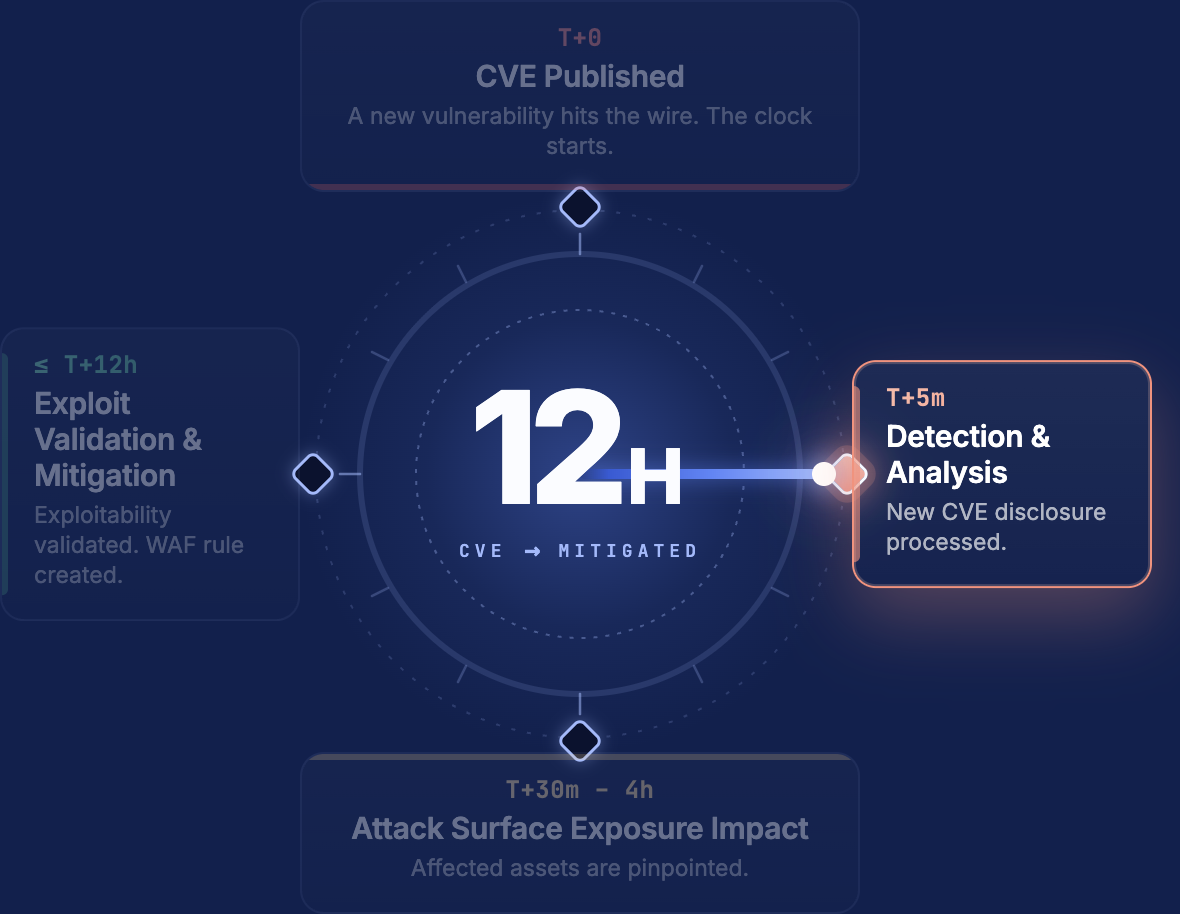
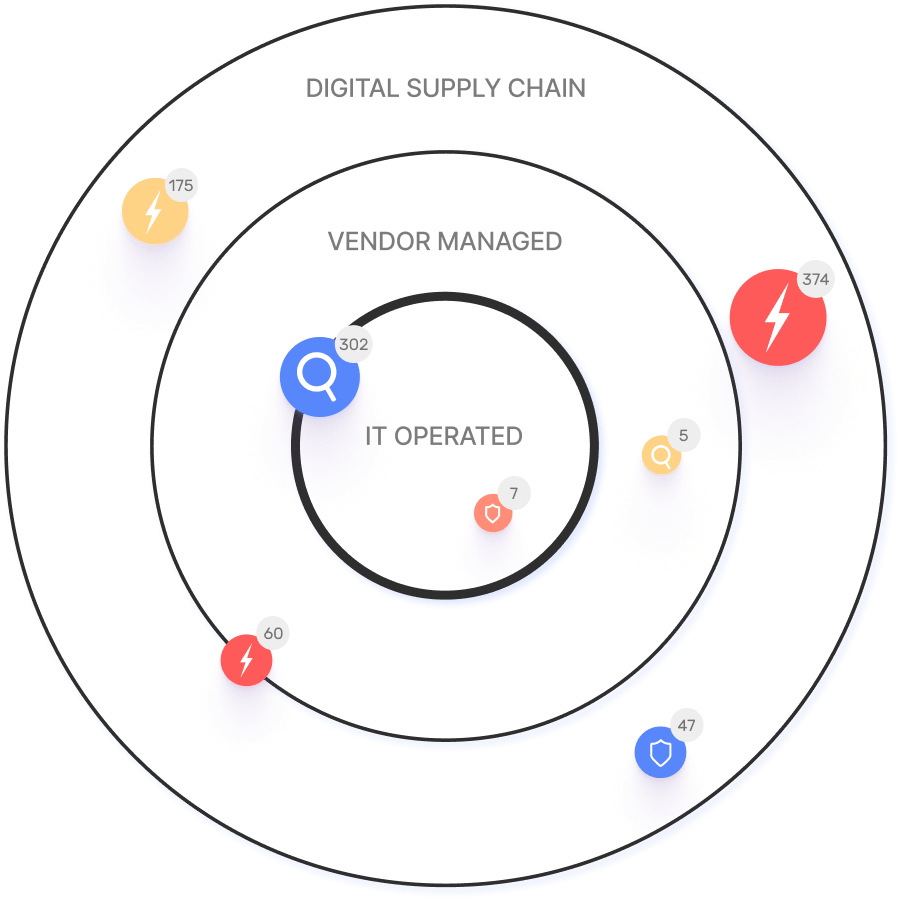
The IONIX research team is tracking ongoing exploitation attempts and recommends immediate patching. Potentially affected assets are outlined in this post.