

Summary
CVE-2026-12685 identifies a vendor-authored, obfuscated backdoor deliberately embedded in the EscortWP WordPress theme through version 3.6.2. The malicious code has two distinct capabilities: an unauthenticated attacker who possesses the hard-coded, per-build key can permanently delete all content on an affected site, and the theme covertly transmits the site URL, administrator email address, and license key to a server controlled by the theme author. This vulnerability is rated High severity with a CVSS v3.1 base score of 7.5.
Technical details
- Root cause: The theme ships with an intentionally malicious file (
functions-mobile-detect.php) concealed behind layered obfuscation — base64 encoding, gzuncompress, and eval — classified under CWE-912 (Hidden Functionality). - Content deletion mechanism: A WordPress AJAX action (
ajax_check_mobile_detect_legacy) is registered for unauthenticated users. When a request supplies the hard-coded, per-build key embedded in the obfuscated code, the backdoor permanently removes all posts on the site. - Data exfiltration mechanism: On each admin page load, the theme dispatches an outbound HTTP beacon to
https://escortwp.com/check-license/, transmitting the site URL, administrator email address, and license key. A throttle — implemented by abusing the WordPress core option_site_transient_update_time_core— limits beacon frequency to approximately once every three days. - Supply-chain dimension: Because each per-customer build embeds a unique deletion key, and that same key is transmitted to the theme author via the exfiltration beacon, the vendor effectively holds functional content-deletion credentials for every active installation.
- Attack vector: Fully network-exploitable with no authentication and no user interaction required (AV:N/AC:L/PR:N/UI:N).
Affected software
- EscortWP WordPress theme (
escortwp), all versions through 3.6.2 (inclusive)
Severity
- CVSS v3.1 Base Score: 7.5 (High)
- Vector String:
CVSS:3.1/AV:N/AC:L/PR:N/UI:N/S:U/C:N/I:H/A:N
Mitigation and recommended actions
- No patch is available. The vendor has not released a remediated version as of the date of this publication; the latest available release remains 3.6.2.
- Immediate action: Remove the EscortWP theme from all WordPress installations and replace it with a theme from a trusted source.
- Post-removal audit: Review server-side logs and outbound network traffic for historical beacons to
escortwp.com/check-license/, and audit site content for evidence of unauthorized post deletion. - Network mitigation (interim): Until removal is complete, block outbound connections from the WordPress server to
escortwp.comto prevent further data exfiltration.
IONIX Status
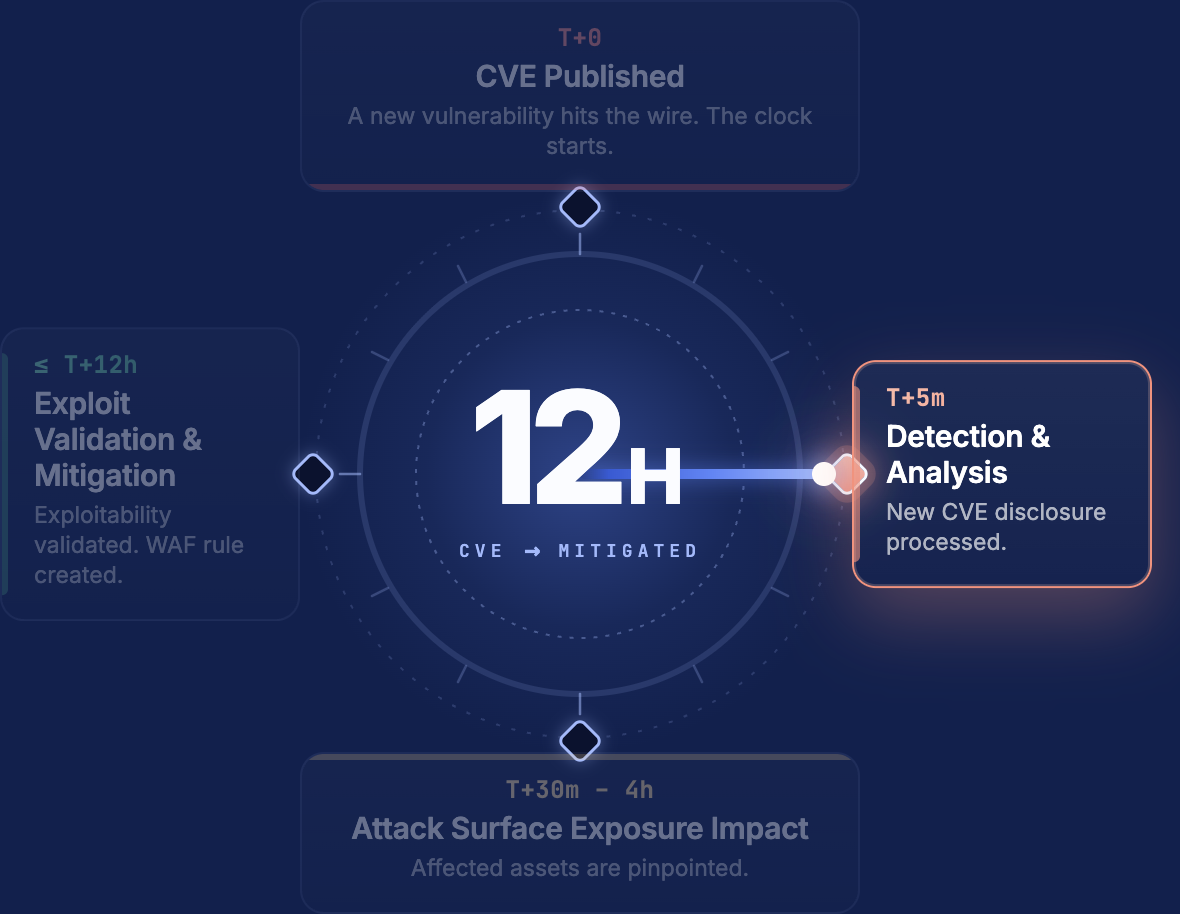
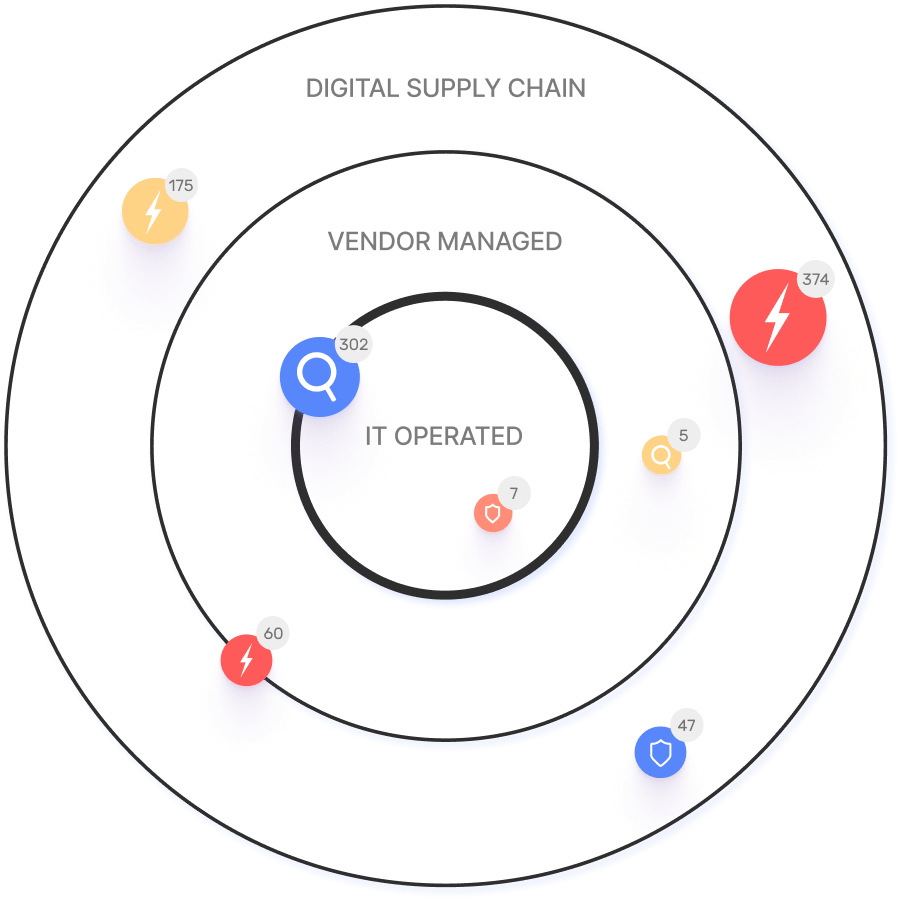
The IONIX research team is tracking ongoing exploitation attempts and recommends immediate patching. Potentially affected assets are outlined in this post.