



Summary
CVE-2026-14516 is a high-severity, unauthenticated time-based SQL Injection vulnerability in the Online Scheduling and Appointment Booking System – Bookly plugin for WordPress, affecting all versions up to and including 27.5. The flaw stems from insufficient escaping of user-supplied input and lack of proper SQL query preparation in the staff_ids parameter, enabling unauthenticated remote attackers to extract sensitive data from the underlying WordPress database. With a CVSS v3.1 base score of 7.5 (HIGH) and no authentication or user interaction required, all internet-exposed WordPress sites running a vulnerable version of Bookly are at immediate risk.
Technical details
- Root cause: The
staff_idsparameter is not properly escaped or sanitized before being incorporated into an existing SQL query, constituting CWE-89 (Improper Neutralization of Special Elements used in an SQL Command). - Trigger conditions: Exploitation requires a deliberate two-request chain: (1) the attacker calls the unauthenticated AJAX action
bookly_get_form_idto seed a booking session containing maliciousstaff_idsvalues; (2) the attacker subsequently triggersbookly_render_time, causing the tainted input array to reach the vulnerable SQL query. - No CSRF/nonce validation: Neither endpoint implements CSRF or nonce protection, meaning the two-request chain can be initiated entirely cross-site without any prior interaction with the target site.
- Attack vector: Fully remote and unauthenticated — exploitable by any internet-connected attacker over standard HTTP(S) via WordPress’s
wp-admin/admin-ajax.phpendpoint with Bookly-specific AJAX actions. - Impact: Successful exploitation allows an attacker to append arbitrary SQL queries and exfiltrate sensitive information from the database, including user credentials, personally identifiable information (PII), booking records, and any other data stored in the WordPress database. There is no impact on integrity or availability.
Affected software
- Online Scheduling and Appointment Booking System – Bookly (by ladela) — all versions up to and including 27.5
Severity
- CVSS v3.1 Base Score: 7.5 (HIGH)
- Vector String:
CVSS:3.1/AV:N/AC:L/PR:N/UI:N/S:U/C:H/I:N/A:N
Mitigation and recommended actions
- Immediate — Upgrade: Update the Bookly plugin to version 27.8 or later, which is the current available release in the WordPress Plugin Repository and addresses the vulnerability. Updates can be applied directly from the WordPress admin dashboard under Plugins > Available Updates.
- If immediate patching is not possible: Consider temporarily disabling the Bookly plugin on internet-facing sites until the update can be applied. Additionally, where feasible, apply WAF rules to block or monitor unauthenticated POST requests to
wp-admin/admin-ajax.phpcontaining thebookly_get_form_idorbookly_render_timeactions.
IONIX Status
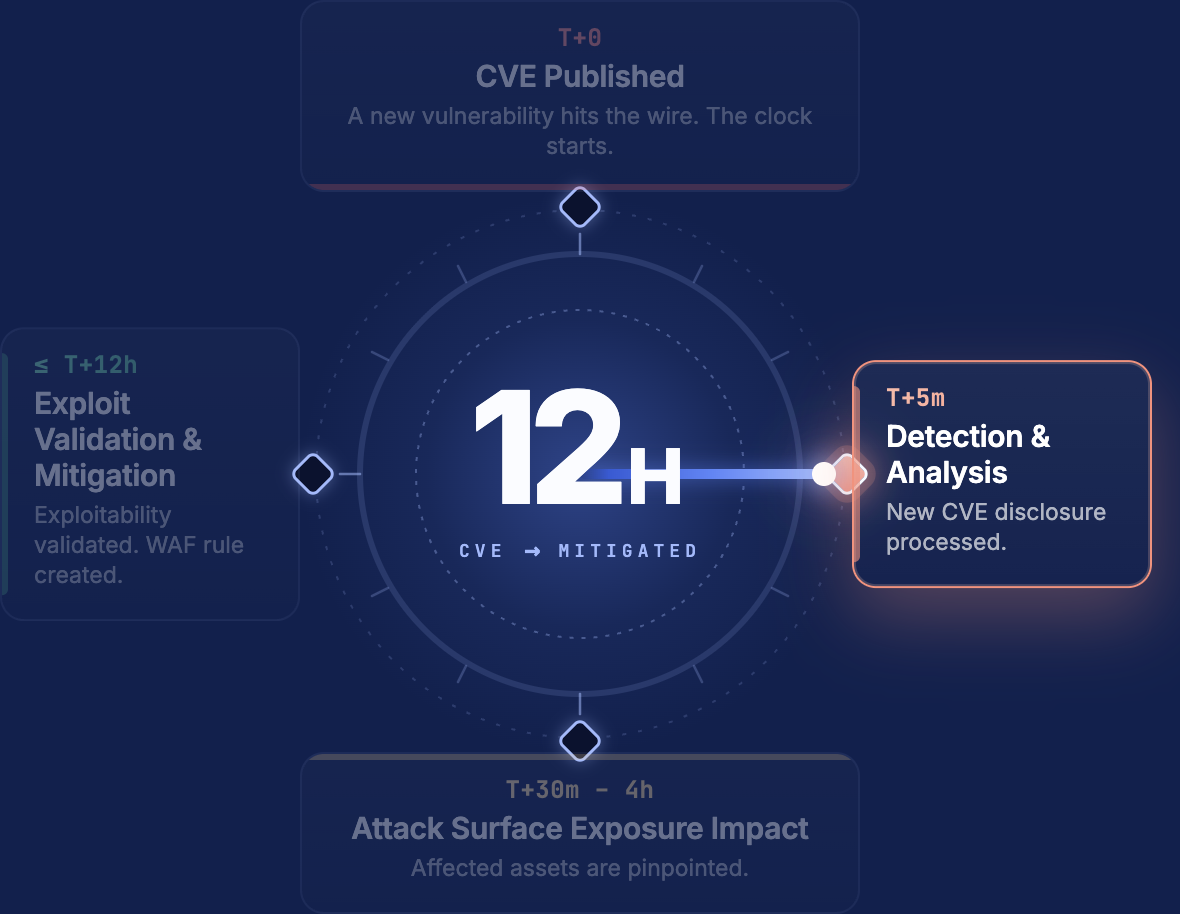
The IONIX research team is tracking ongoing exploitation attempts and recommends immediate patching. Potentially affected assets are outlined in this post.