

Summary
CVE-2026-39511 is a critical unauthenticated SQL injection vulnerability affecting WP Photo Album Plus, a WordPress plugin by Jacob N. Breetvelt with over 10,000 active installations. The flaw impacts all plugin versions up to and including 9.1.08.001 and carries a CVSS v3.1 base score of 9.3 (Critical). Any unauthenticated attacker with network access to a vulnerable WordPress site can exploit this vulnerability to directly interact with the underlying database.
Technical details
- Root cause: Improper neutralization of special elements used in an SQL command (CWE-89). User-supplied input is not adequately sanitized or escaped before being incorporated into database queries, enabling malicious SQL to be injected and executed.
- Trigger conditions: No authentication or user interaction is required. The vulnerability is exploitable by any unauthenticated remote attacker over the network, with low attack complexity (AC:L).
- Attack vector: Network-based (AV:N). An attacker sends a crafted HTTP request to the vulnerable WordPress site — no privileged account or victim interaction is necessary.
- Impact: The vulnerability carries a Scope:Changed (S:C) rating, meaning successful exploitation can affect resources beyond the plugin itself, including the broader WordPress database. The primary impact is high confidentiality loss (C:H), allowing an attacker to read arbitrary data from the database — including WordPress user credentials, personal data, and site configuration. There is also a low availability impact (A:L). Extracted administrator credentials can be leveraged to escalate further within the WordPress installation.
Affected software
- WP Photo Album Plus all versions up to and including 9.1.08.001
Severity
- CVSS v3.1 Base Score: 9.3 (Critical)
- Vector String:
CVSS:3.1/AV:N/AC:L/PR:N/UI:N/S:C/C:H/I:N/A:L
Mitigation and recommended actions
- Immediate: Update WP Photo Album Plus to version 9.1.08.002 or later. The current release available on WordPress.org is 9.2.01.003, which also addresses this vulnerability.
- If immediate patching is not possible, consider restricting access to the WordPress site at the network or web application firewall level to limit unauthenticated external exposure while the update is applied.
- Audit WordPress database users and credentials for signs of unauthorized access, particularly if the plugin has been running in a public-facing configuration on a version at or below 9.1.08.001.
IONIX Status
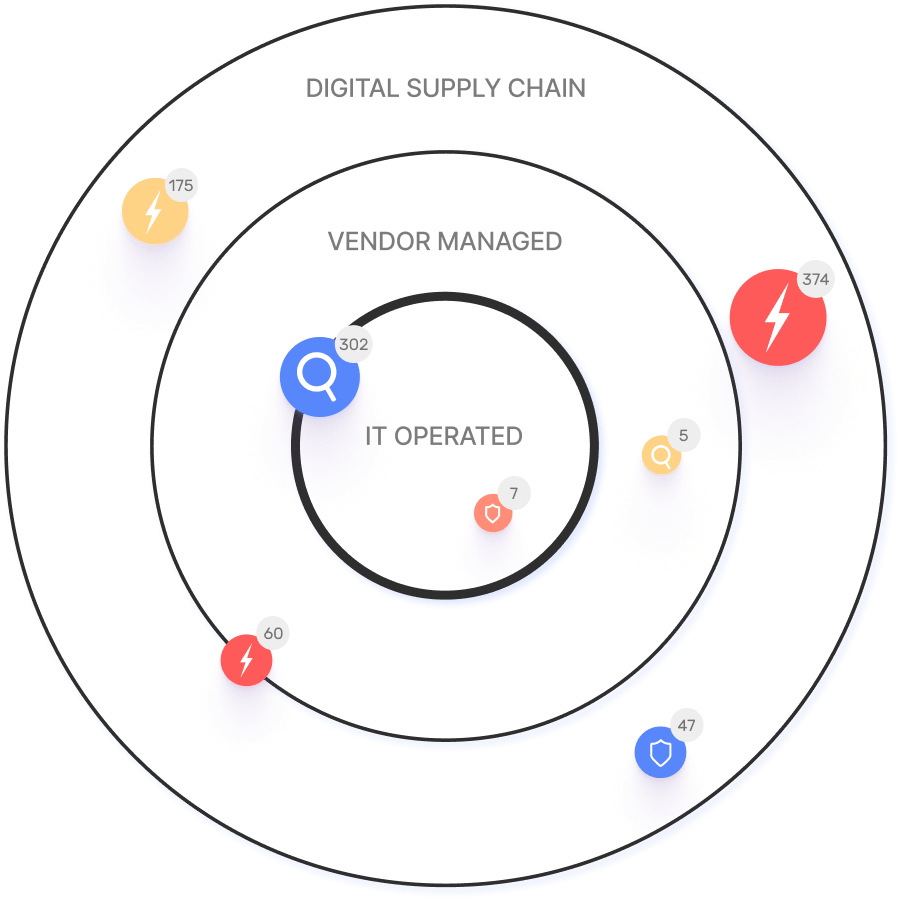
The IONIX research team is tracking ongoing exploitation attempts and recommends immediate patching. Potentially affected assets are outlined in this post.