


Summary
CVE-2026-40733 is a high-severity, unauthenticated PHP Object Injection vulnerability (CWE-502: Deserialization of Untrusted Data) affecting the ShiftUp WordPress theme by Mikado-Themes in all versions up to and including 1.3. The flaw requires no authentication and is exploitable directly over the network, making any internet-exposed WordPress site running this theme a potential target. When a suitable Property-Oriented Programming (POP) chain is available in the WordPress environment — a common condition given the broad plugin and theme ecosystems — the impact escalates to Remote Code Execution (RCE), arbitrary file manipulation, or sensitive data exfiltration, earning a CVSS v3.1 score of 8.1 (HIGH).
Technical details
-
Root cause: Insecure deserialization of untrusted user-supplied data (CWE-502) within the ShiftUp theme codebase; the theme fails to safely handle serialized input before passing it to PHP’s deserialization mechanism.
-
Trigger conditions: An unauthenticated remote attacker submits a crafted, malicious serialized PHP object to a vulnerable endpoint exposed by the theme. No credentials, session tokens, or user interaction are required.
-
Attack vector: Network (AV:N) — exploitable over standard HTTP/HTTPS against any internet-facing WordPress installation running the vulnerable theme.
-
Attack complexity: High (AC:H) — successful exploitation depends on the presence of a compatible POP gadget chain within the WordPress environment (e.g., provided by co-installed plugins or themes). WordPress ecosystems commonly include numerous packages that supply viable gadget chains.
-
Impact: Confidentiality: HIGH, Integrity: HIGH, Availability: HIGH. A successful exploit with a suitable POP chain can lead to Remote Code Execution, code injection, SQL injection, path traversal, or Denial of Service on the underlying server.
Affected software
- ShiftUp WordPress Theme (Mikado-Themes): All versions ≤ 1.3
Severity
-
CVSS v3.1 Base Score: 8.1 (HIGH)
-
Vector String:
CVSS:3.1/AV:N/AC:H/PR:N/UI:N/S:U/C:H/I:H/A:H
Mitigation and recommended actions
-
Immediate — Apply the vendor patch: Update the ShiftUp theme to version 1.4 or later, which contains the vendor-provided fix. The update is available through the standard WordPress theme update mechanism or directly via Mikado-Themes / ThemeForest.
-
If immediate patching is not feasible: Restrict access to the WordPress site at the network perimeter (e.g., via WAF rules or IP allowlisting) to reduce the attack surface until the patch can be applied.
-
Audit installed plugins and themes: Review co-installed WordPress components for known POP gadget chains to understand the realistic RCE risk in your specific environment.
IONIX Status
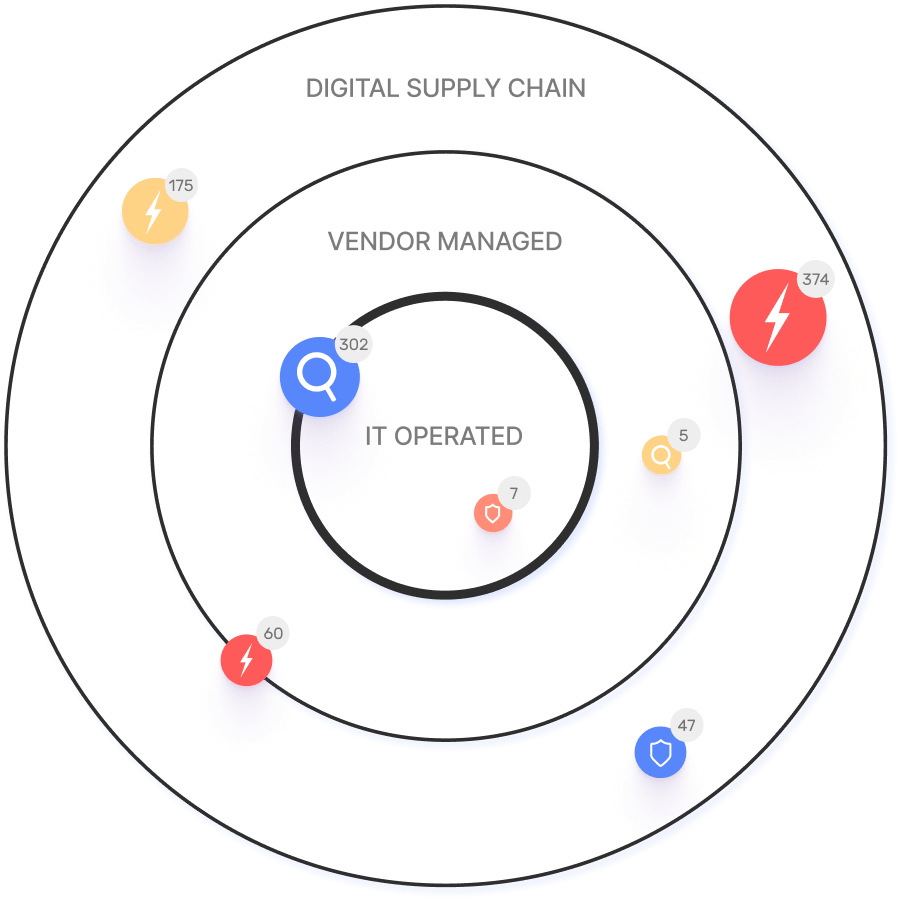
The IONIX research team is tracking ongoing exploitation attempts and recommends immediate patching. Potentially affected assets are outlined in this post.