



Summary
CVE-2026-49061 is a high-severity Unauthenticated Arbitrary File Download vulnerability in WPC Product Options for WooCommerce (by WPClever), affecting all versions up to and including 3.2.1. The flaw stems from a path traversal weakness (CWE-22) that allows any unauthenticated remote attacker to retrieve arbitrary files from the server with no credentials or user interaction required. With a CVSS v3.1 base score of 7.5 (HIGH), exploitation can expose critical server-side files — including WordPress configuration files containing database credentials — potentially enabling full site compromise.
Technical details
- Root cause: Improper limitation of a pathname to a restricted directory (path traversal / CWE-22), allowing file retrieval from outside the intended directory boundaries.
- Trigger conditions: No authentication, privileges, or user interaction required — the flaw is exploitable by any remote, unauthenticated party.
- Attack vector: Network-accessible (AV:N/AC:L/PR:N/UI:N); any internet-facing WooCommerce store running the vulnerable plugin version is exposed.
- Impact: High confidentiality impact. An attacker can download arbitrary server-side files, including
wp-config.php(containing database credentials, authentication keys, and salts), backup archives, and other sensitive data. Integrity and availability are not directly impacted.
Affected software
- WPC Product Options for WooCommerce (WPClever) — versions <= 3.2.1
Severity
- CVSS v3.1 Base Score: 7.5 (HIGH)
- Vector string:
CVSS:3.1/AV:N/AC:L/PR:N/UI:N/S:U/C:H/I:N/A:N
Mitigation and recommended actions
- Immediate: Update WPC Product Options for WooCommerce to version 3.2.2 or later, which contains the vendor-provided fix as confirmed in the official plugin changelog.
- If immediate patching is not possible, consider temporarily deactivating the plugin and applying network-level controls (e.g., WAF rules) to restrict access to the WordPress installation until an upgrade can be performed.
IONIX Status
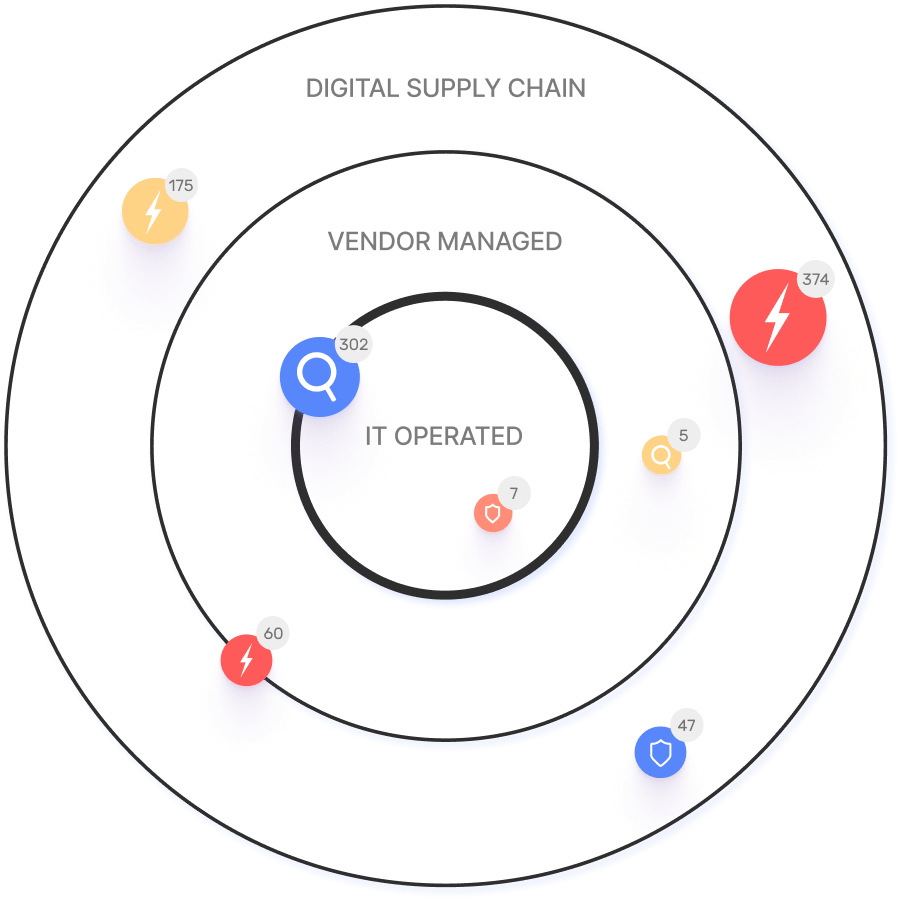
The IONIX research team is tracking ongoing exploitation attempts and recommends immediate patching. Potentially affected assets are outlined in this post.